During my reportage on the giraffes of the Kouré reserve near Niamey, I had the chance to come across this village. My guides strongly advised me not to approach, speaking of hostility.
During my reportage on the giraffes of the Kouré reserve near Niamey, I had the chance to come across this village. My guides strongly advised me not to approach, speaking of hostility.















I had no idea how to make contact with the inhabitants. I was 300 metres from the first house, and there was nobody in sight. Here is what happened next in this unforgettable encounter.
During a reportage on the giraffes of the Kouré reserve near Niamey, I had the chance to come across this village... See the Queens of Niamey reportage for the preceding chapter.
To pick up the story: my guides strongly advised me not to approach the village. They themselves stayed far away. I did not know how to make contact with the inhabitants. I was 300 metres from the first house and there was nobody in sight.
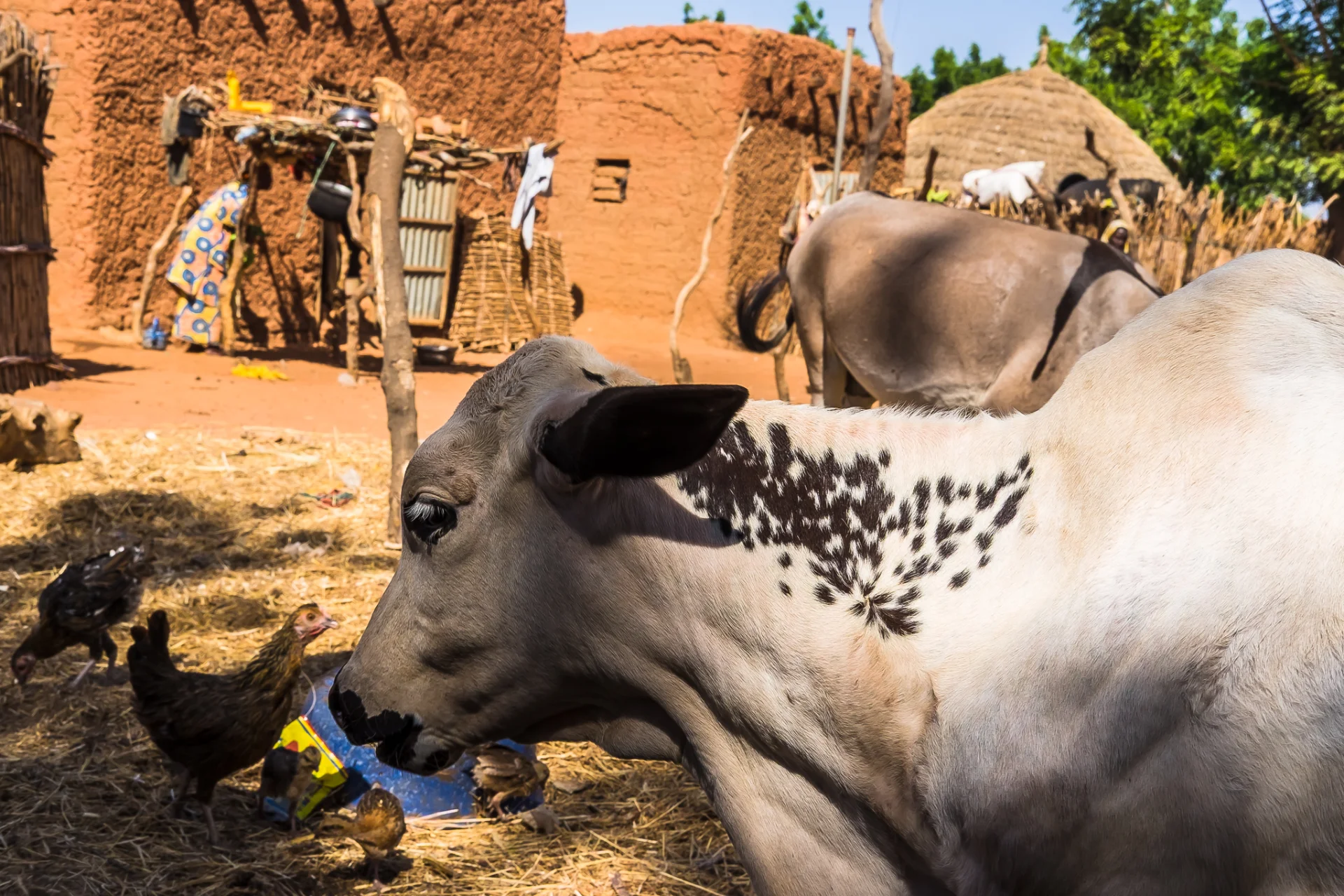
I approached slowly and came across a zebu. My first. I loved it. I went closer, spoke to it, stroked it, photographed it, even at ground level until I found myself lying down. The animal was magnificent. I continued with other horned animals whose names I did not know, and behaved in exactly the same natural way.
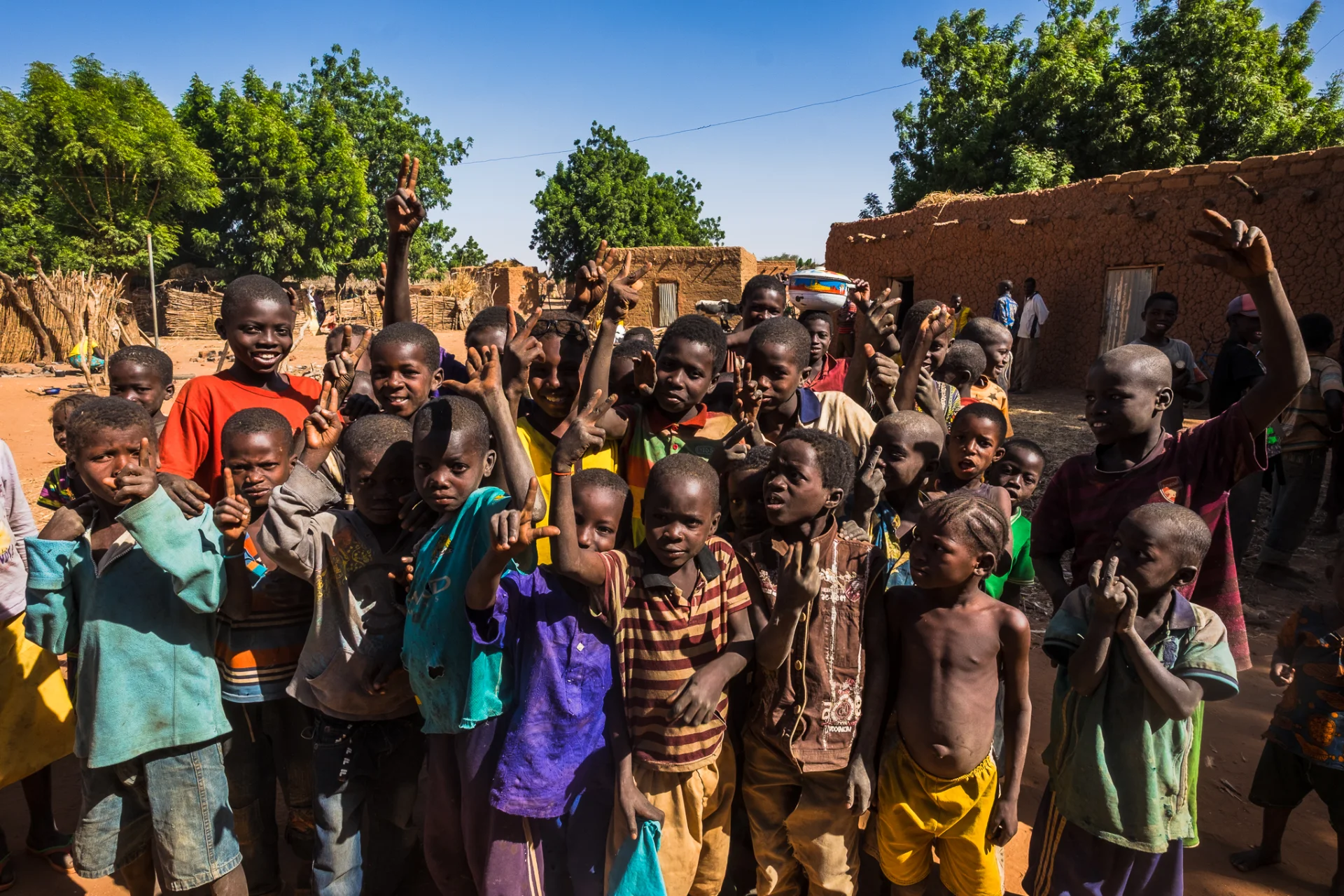
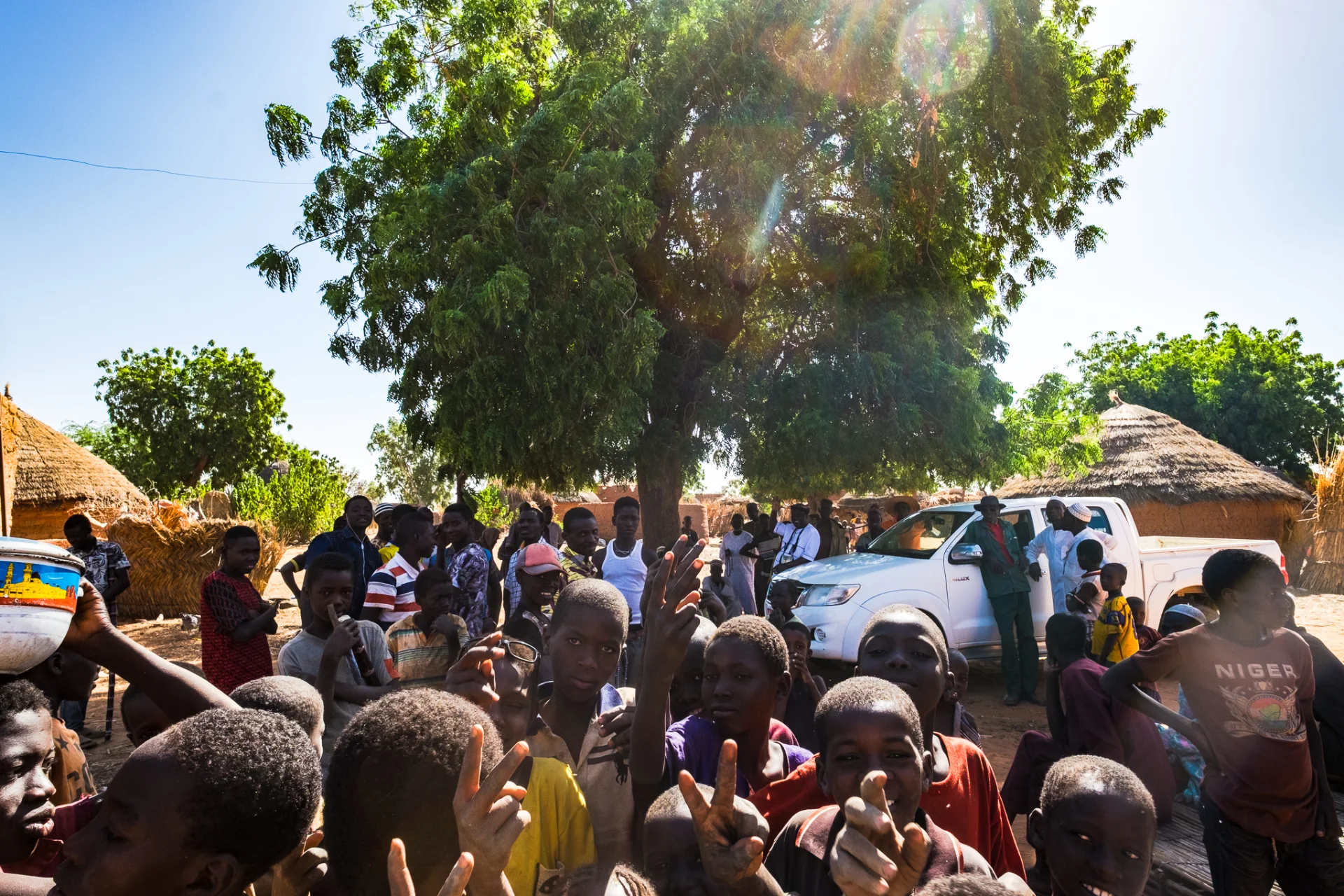
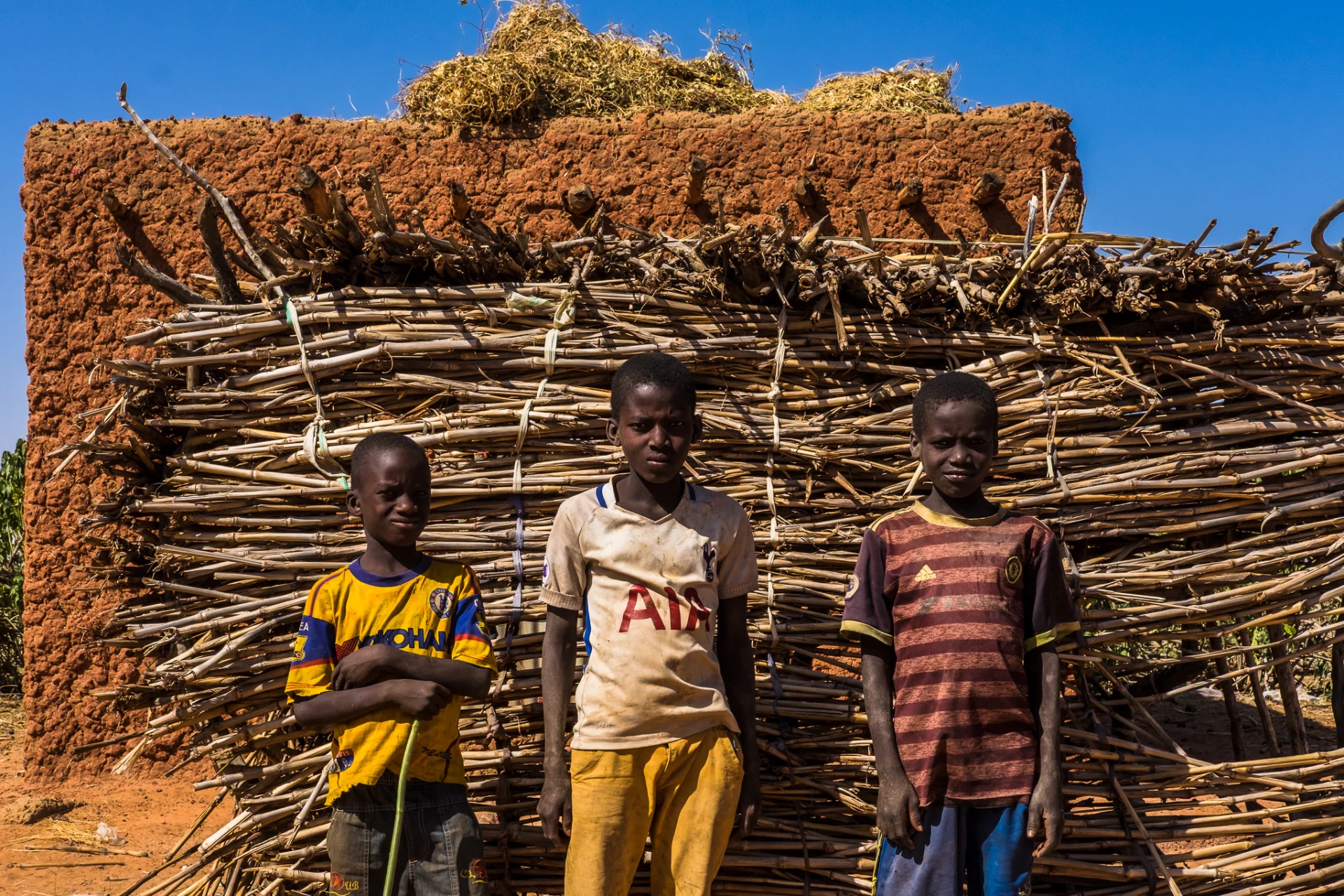
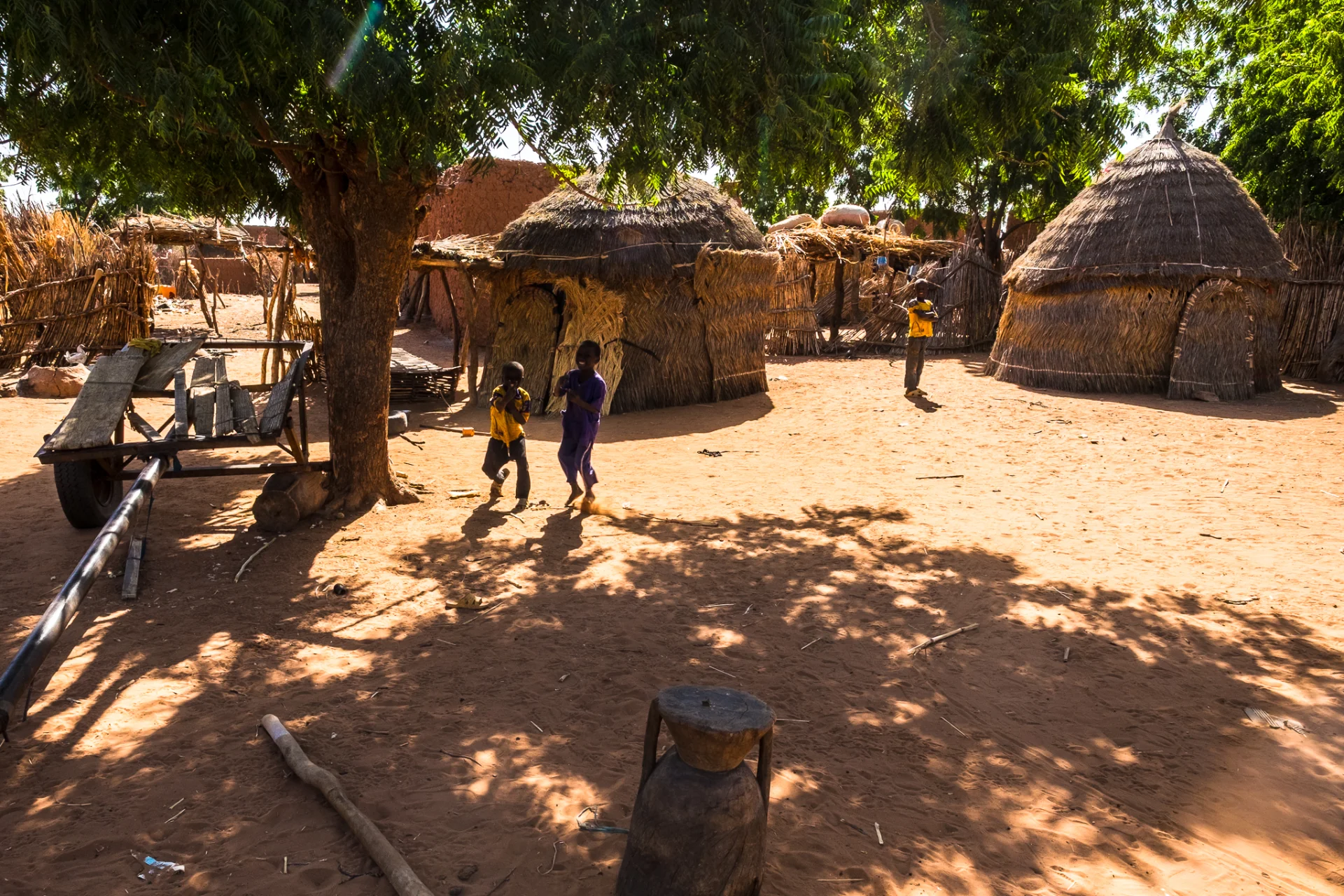
This time, when I stood up again, I looked behind me and discovered a whole group of silent children. I waved hello, surprised and delighted. They burst into laughter and joy. Extraordinary. From then on, I was never alone.
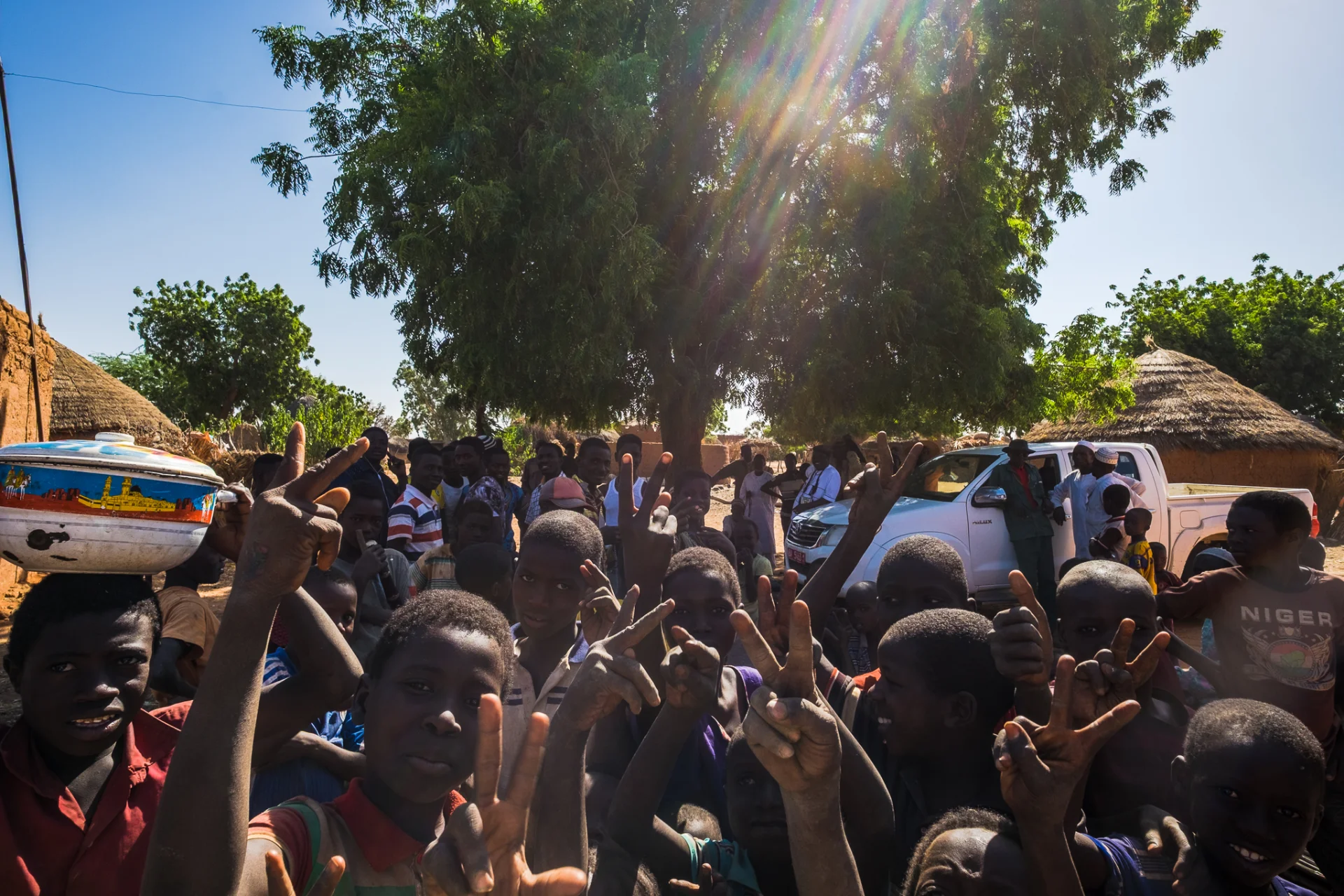
They followed me everywhere through the village as a group. It was difficult not to be overwhelmed. Whenever I saw something I wanted to photograph, I stretched one arm out to the side as a symbolic barrier, and it worked. When I raised my arm they shouted and laughed; when I lowered it they became silent. I have never understood how our communication became so immediate. Pure happiness, both funny and moving.
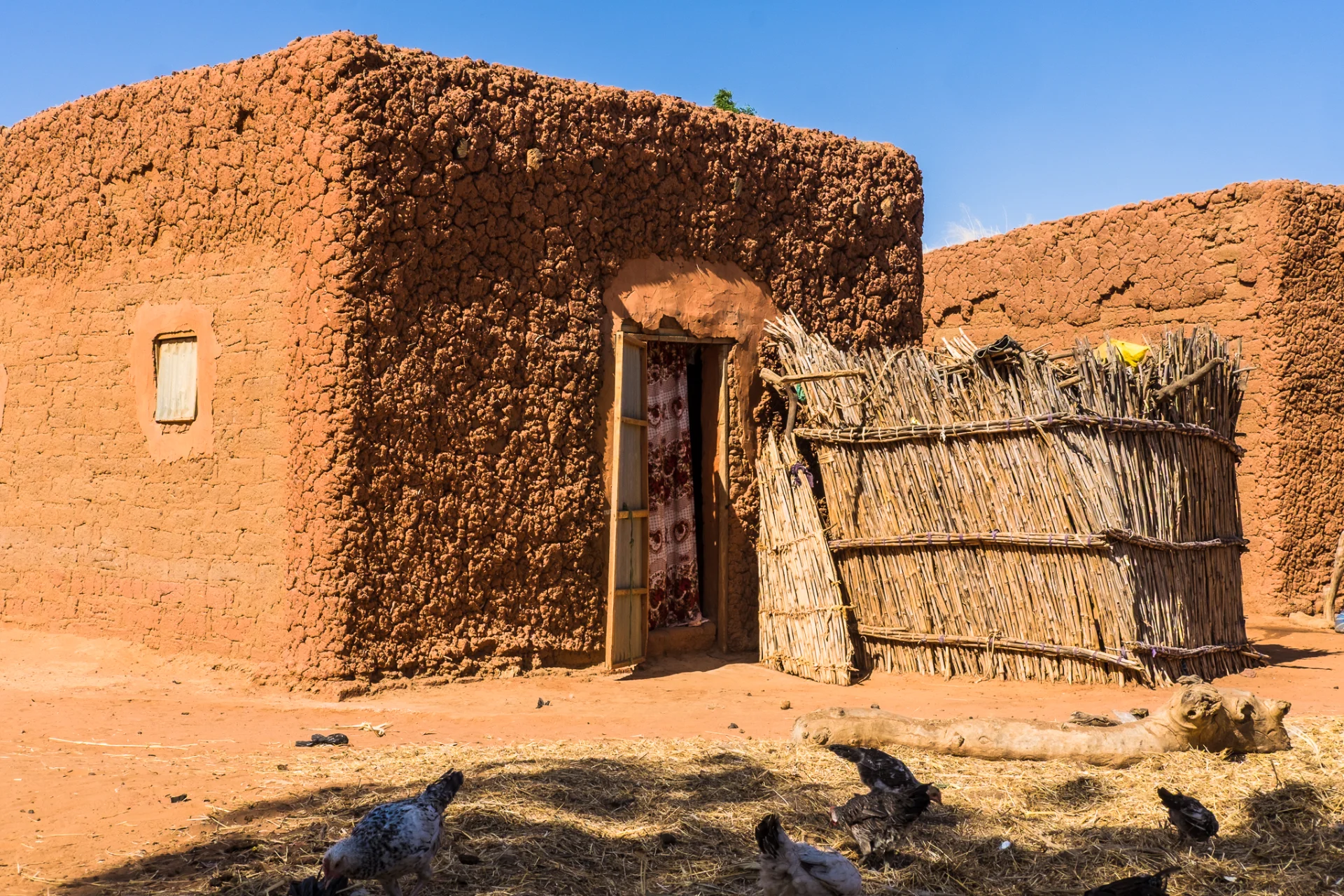
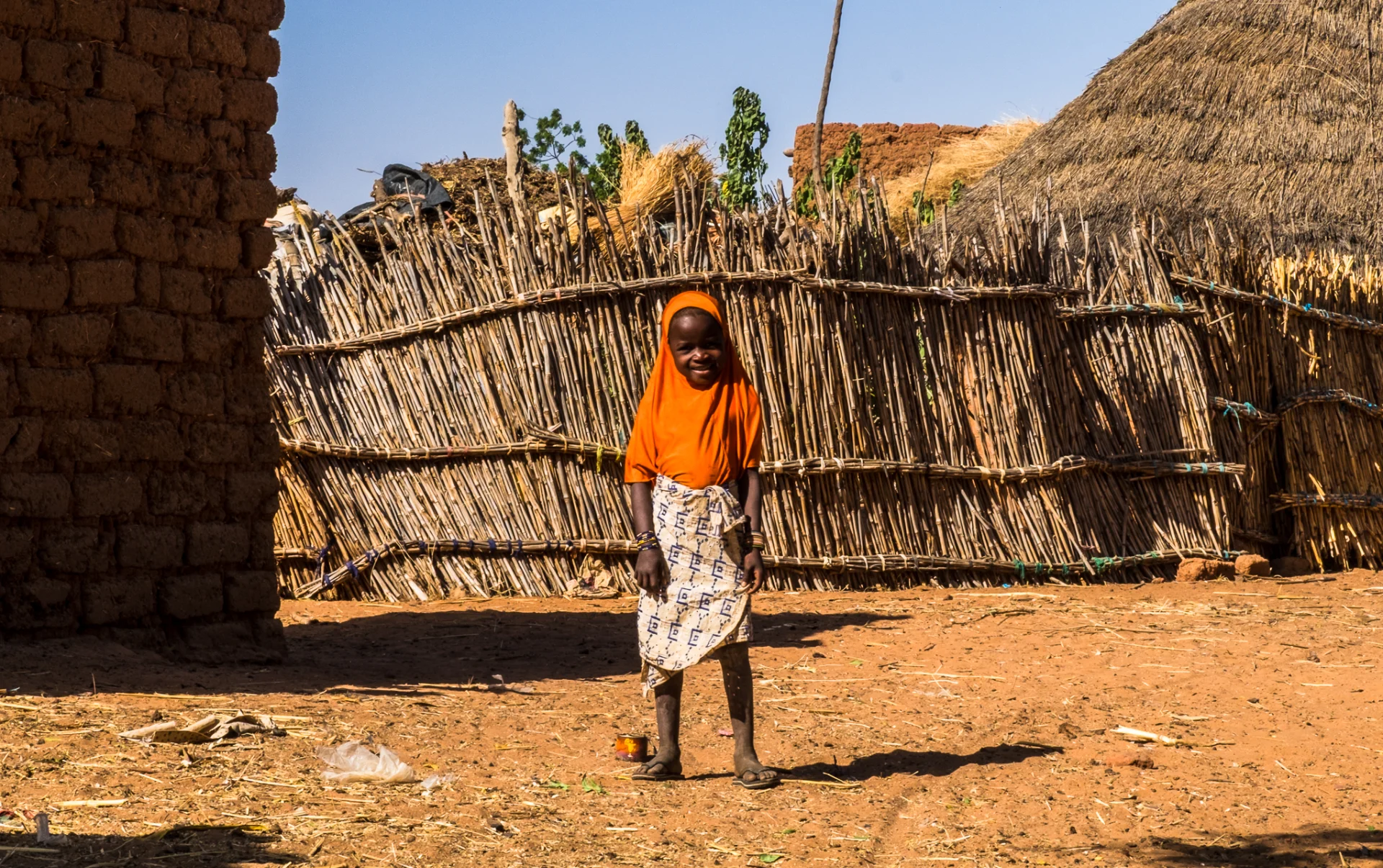
I continued walking freely through the village, but with an ever larger crowd behind me, sometimes almost pushing me forward. The villagers I met posed without the slightest difficulty. Quite the opposite: I felt that they took pleasure in offering themselves to the photograph.
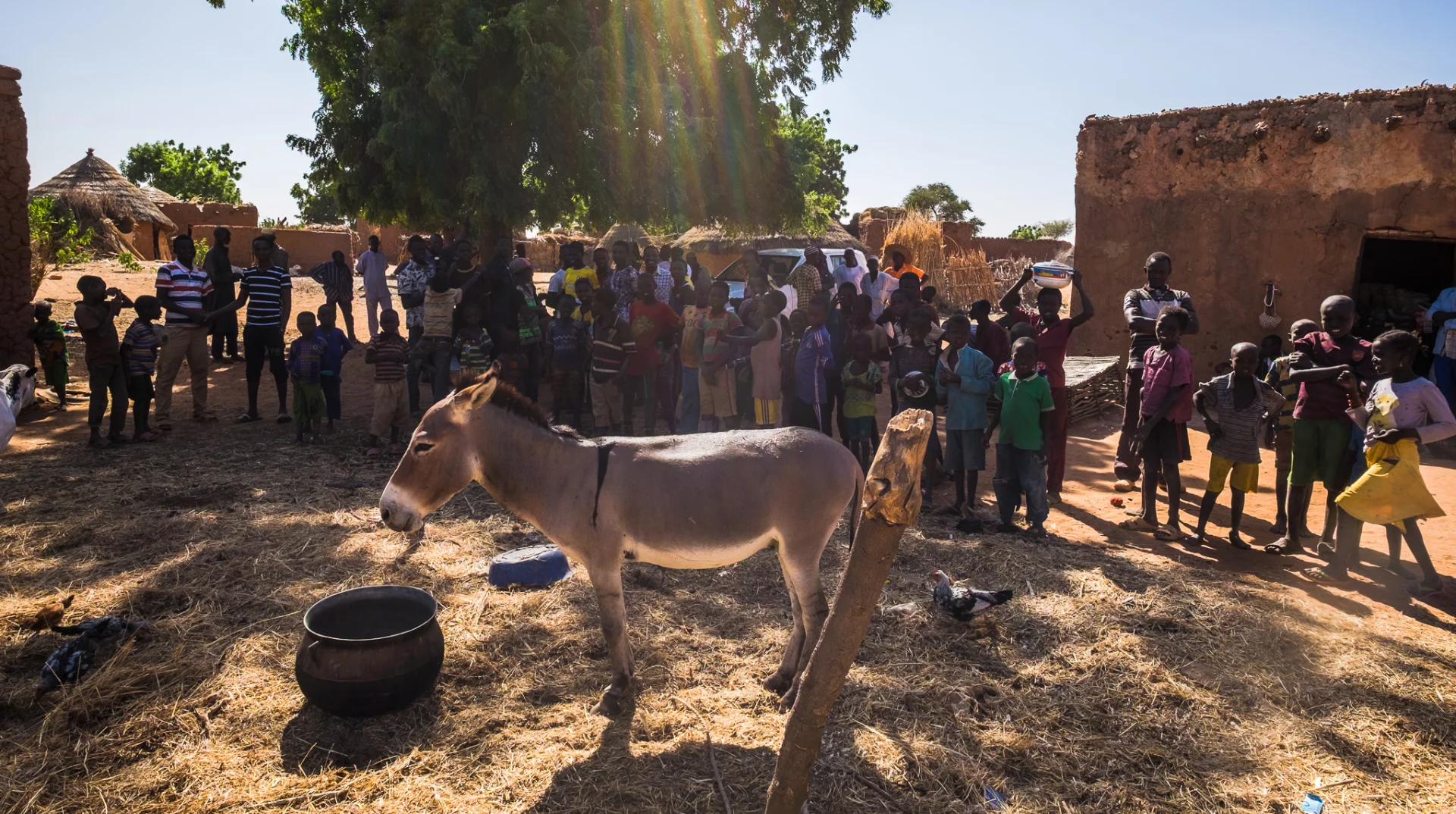
Then I reached the central square. Surprise: all the adults were gathered there waiting for me. I confess I had understood nothing, although the children were making so much joyful noise that it was impossible to pass unnoticed. I even started photographing a donkey, still talking to it and stroking it.
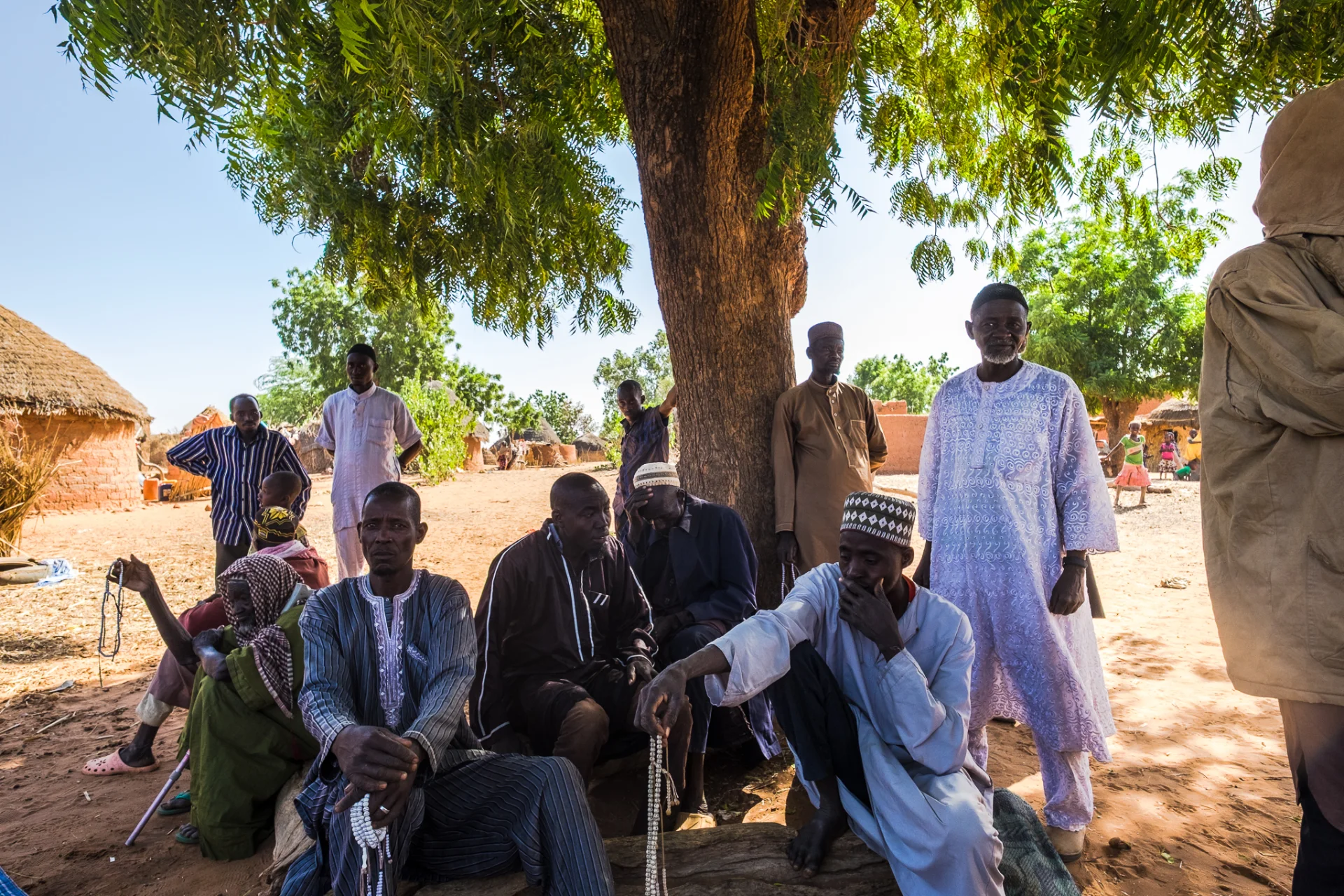
Then I noticed a smaller group beneath the large tree: the elders. I greeted them respectfully with a nod, my hand on my heart in the Berber manner. The oldest man stood up and came towards me. The children, now silent, were still behind me; the adults stood to my right, and farther away the car with my guides. They had moved closer.
The elder shook my hand and a calabash was brought to us. I had to drink from it after him. The atmosphere was so unreal that I have absolutely no memory of what I drank. But after the first mouthful, everyone shouted with joy.
It was clearly a rite of welcome, with the whole village gathered around us. I would gladly have stayed several days. Then I resumed photographing, still followed by those curious and touching children.
Little by little I moved away from the village until I found solitude again. If I had gone back, I would have had to stay, eat and remain with them, and we had to continue the journey. My team never commented on what had just happened. They had not been invited. I never understood their insistence that I stay away, but they looked proud all the same.